
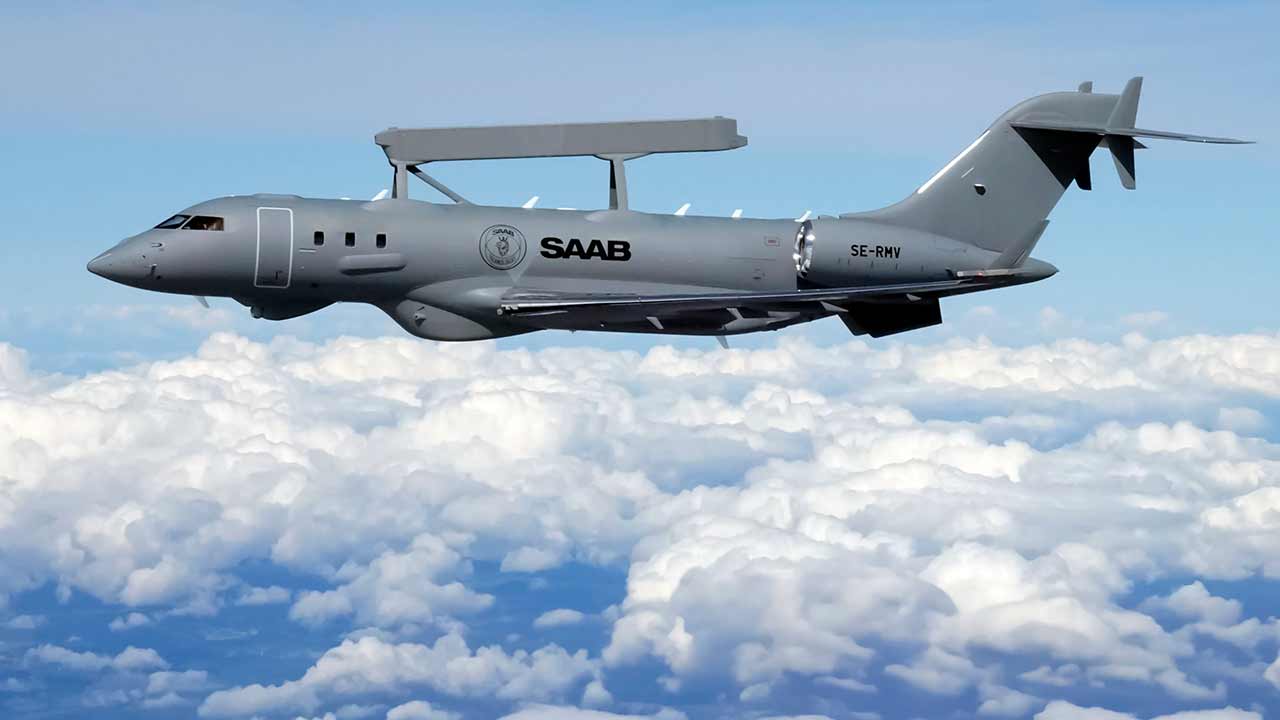
NATO has taken a decisive step toward modernizing its air surveillance and control capability by selecting the Saab GlobalEye system as the preferred solution for its next generation of AEW&C aircraft.
During the NATO summit in Ankara, Turkey, Alliance Secretary General Mark Rutte announced that the organization will begin formal negotiations with Saab for the possible acquisition of up to ten GlobalEye Airborne Early Warning & Control systems, known by the acronym AEW&C.
Despite the announcement, Saab emphasized that it has not yet signed a contract or received a formal order related to the program. The next stage will be conducted with the NATO Support and Procurement Agency (NSPA), the agency responsible for supporting the Alliance’s strategic purchases and contracts.
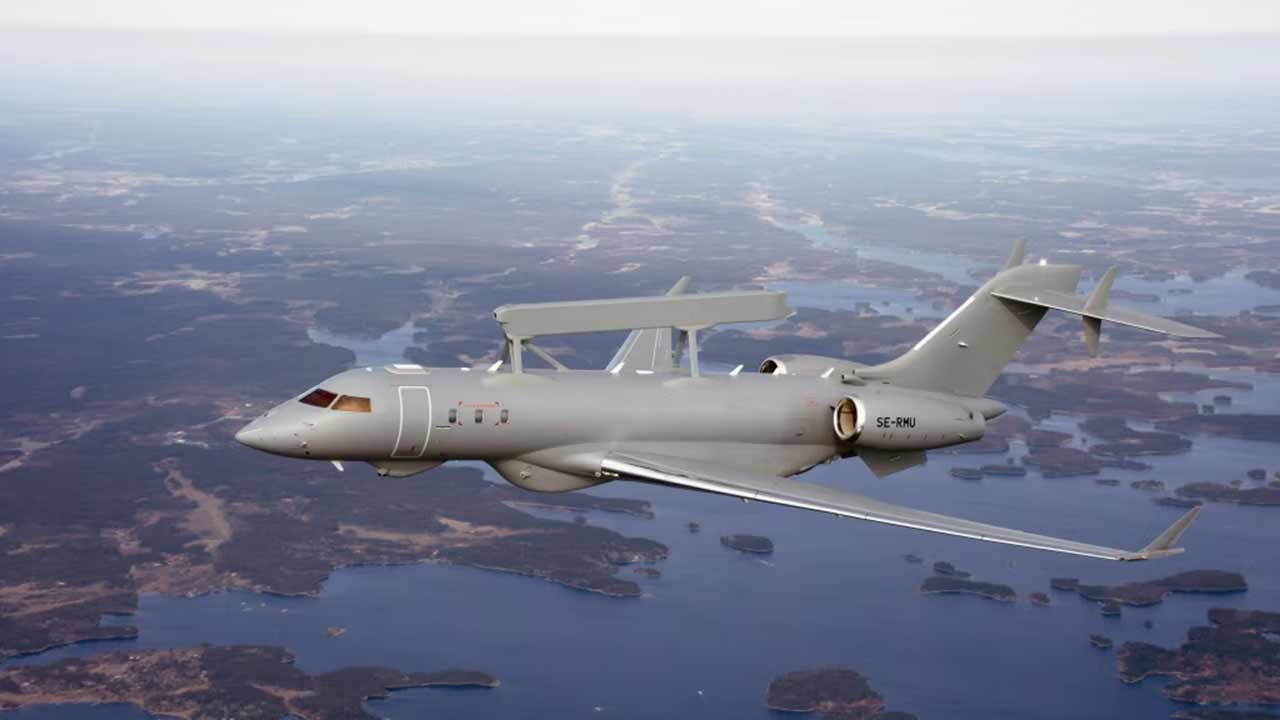
The selection of GlobalEye comes at a time when NATO is seeking to replace and upgrade its current airborne early warning capability, which is essential for monitoring large areas, coordinating air operations and building real-time situational awareness.
The system proposed by Saab is based on the Bombardier Global 6500 business jet and combines the Erieye Extended Range radar with an advanced sensor suite and a multidomain command and control architecture. In practice, this allows movements in the air, at sea and on land to be tracked, bringing together data in a platform capable of supporting fast and coordinated decisions.
According to Saab, GlobalEye was developed to provide long-range detection, a high update rate and the ability to operate in complex environments, including under electronic interference and in scenarios involving a high volume of information. The company says the system can identify low-observable aircraft, drones and high-speed vectors, expanding NATO’s surveillance coverage in the face of modern challenges.
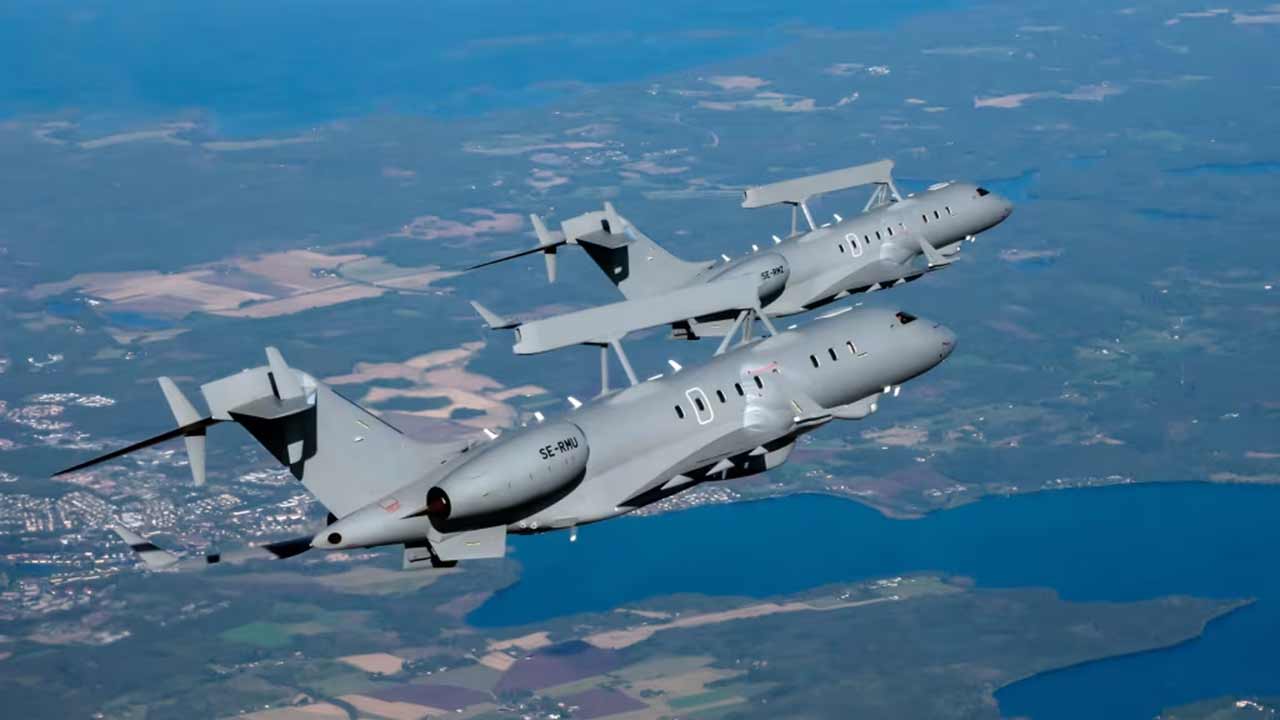
For the Alliance, modernizing the AEW&C fleet is considered strategic. Aircraft of this type function as surveillance and coordination centers in the sky, expanding commanders’ visibility and allowing allied forces to monitor activity across vast regions with greater precision.
Saab President and CEO Micael Johansson said the company feels “honored and proud” to support NATO’s next-generation AEW&C capability. According to him, GlobalEye offers a combination of proven capability, adaptability and long-term operational advantage.
If the negotiations move forward to a contract, the program could represent one of Saab’s most important recent milestones in the advanced air surveillance segment, strengthening the European presence in an area considered vital for NATO’s collective security.
Source and images: Saab. This content was created with the help of AI and reviewed by the editorial team.
